
A Boston-based automotive admirer, Smith Jone channels his enthusiasm for performance, creative design, and the region’s iconic motoring traditions.
You have places to be in the city, and the clock is not your friend. Maybe it is a morning client meeting near Back Bay, a matinee at the theatre district, or a flight to catch after lunch. The corridor between the capital of Rhode Island and downtown Boston offers two clear paths that most travelers compare first: rail or road. This guide breaks down how long each option actually takes, what you will likely pay, and how the experience feels on a normal day, using up-to-date, verifiable facts without the fluff.
Driving And Limo: What To Expect In Traffic
- Amtrak on the Northeast Corridor runs from Providence Station to Boston Back Bay or South Station in about 35 to 40 minutes on the timetable. That is station to station and not door to door, but it is the only mode that consistently stays under an hour once you are on board.
- MBTA Commuter Rail on the Providence Line schedules many runs around 1 hour 15 minutes to South Station, also stopping at Back Bay along the way.
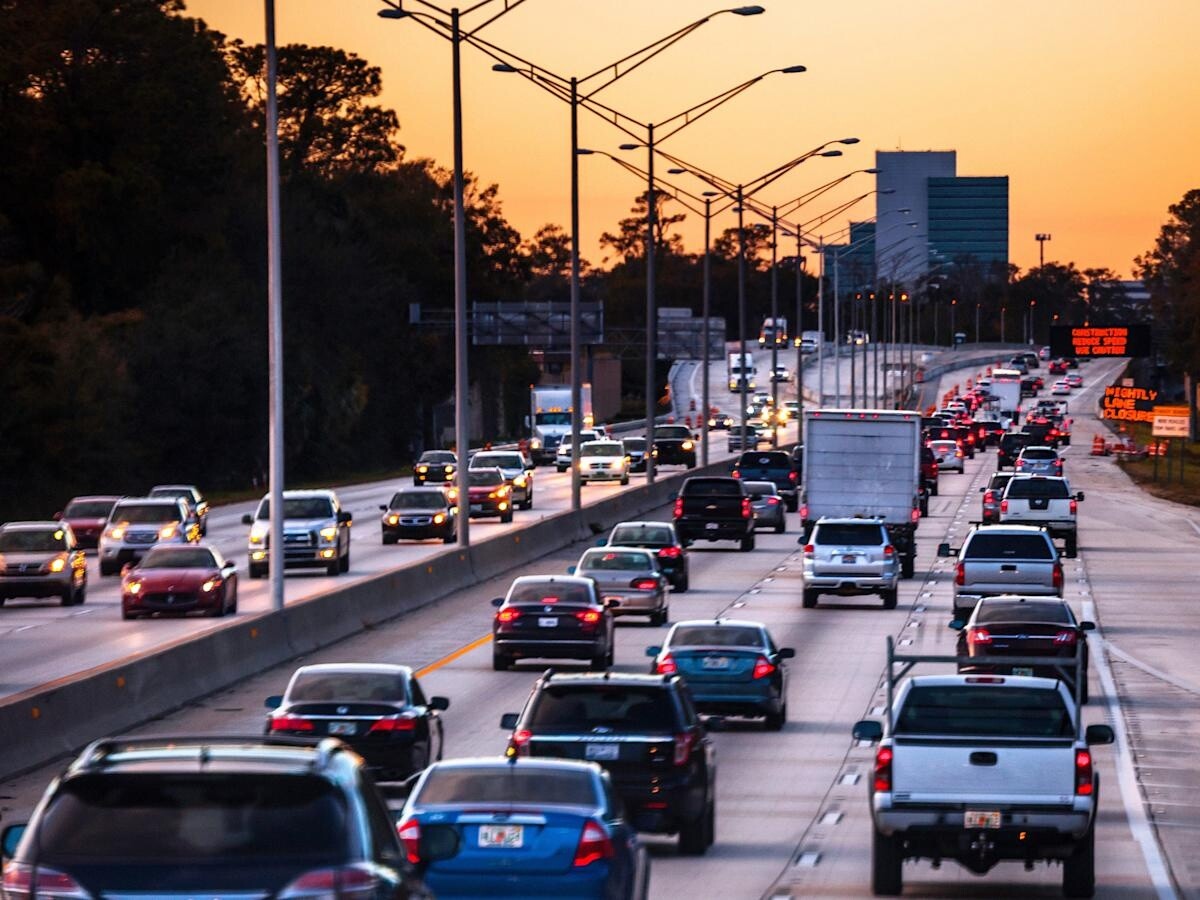
- Driving via I-95 covers roughly 50 miles. In light traffic, plan on about 1 hour to central neighborhoods. Add time during peaks, when the merge points near the city slow down.
- Chauffeured black-car or limo rides share the same highway reality as personal driving, so the travel time mirrors road conditions, not a set schedule.
Private Car Pricing: Vehicle Class, Surcharges, and Gratuity
Amtrak
Pricing is dynamic. Late-night and early-morning departures sometimes qualify for Night Owl promotions that have shown sample one-way fares of $10 between Boston and Providence when inventory is available. Daytime fares vary with demand, train type, and how early you book. You get a reserved seat.
MBTA Commuter Rail
The line is zone-based. Providence is Zone 8. Frequent riders look at the Zone 8 monthly pass at $426.00. Weekend leisure trips are where this mode can shine on price, because MBTA sells an Unlimited $10 Weekend ticket that is valid on all Commuter Rail lines for the entire day on Saturday and Sunday. Single-ride prices change from time to time, so check the mTicket app before you go.
Driving yourself
The route has no I-95 tolls in Rhode Island or Massachusetts. Fuel is your baseline cost. A typical example helps: the corridor is about 50 miles one way. At 30 mpg, that is 1.7 gallons. Using a recent statewide average of about $2.99 per gallon, fuel comes to roughly $5 one way or about $10 round trip. An SUV at 25 mpg is closer to $6 one way. Parking is the variable that moves the number. In city curb zones, meters commonly run about $2.50 to $3.75 per hour, and garages near South Station often post about $20 to $33 per day.
Private black-car or limo
For a long-distance car service between the two cities, published ranges commonly land around $150 to $300+ for a standard sedan in normal windows, with many airport and premium routes pricing about $200 to $400 depending on vehicle class, timing, and extras. Quotes usually spell out items like wait-time charges, surcharges, and gratuity rules, so read the fine print.
Ride quality and onboard experience

Amtrak
For a short intercity hop, this is the most comfortable rail option. Trains on the Northeast Corridor offer free Wi-Fi, power outlets at your seat, a Quiet Car, and a café car on Northeast Regional and Acela. The ride is smooth, there is space to open a laptop, and you step off in Back Bay or South Station, both central to business districts and the subway.
MBTA Commuter Rail
Seats are unreserved and practical. It is a reliable choice for budget-minded trips, game days, or weekend city outings, especially with the $10 Weekend deal. You still arrive right in town at Back Bay or South Station, which keeps last-mile time short if your plans are nearby.
Driving yourself
Control is the main comfort. You set the schedule, handle luggage your way, and pick your route. The tradeoff is mental load in traffic and the hunt for parking in busy districts. If your plan includes multiple suburban stops, road travel can make the day easier.
Chauffeured black-car or limo
This is the quiet, premium cabin option. A professional chauffeur handles routing and curbside pickup, helps with luggage, and stays with the itinerary. For executive travel, wedding weekends, or family trips with bulky bags, the extra space and attention matter. For airport transfers, it also removes the parking step entirely and keeps the group together.
Door-to-door reality check
Schedules tell only part of the story. Add the time it takes to get to and from stations or ramps.
- If you are starting within a short ride of Providence Station and your meeting is a few blocks from Back Bay or South Station, Amtrak usually wins end to end. Even with 10 to 15 minutes on each side, you often land under an hour from first step to final door.
- If you live farther from the station, or you need several stops in different neighborhoods after arrival, road travel reduces walking and waiting.
- For weekend leisure trips with flexible timing and a plan that stays downtown or near the subway, MBTA is often the best value. The trains are slower than Amtrak, but the $10 Weekend ticket is hard to beat.
Cost comparisons for common situations
- Solo traveler, weekday morning, meeting near Copley
Amtrak is the sweet spot. Pay the rail fare for a 35 to 40 minute ride, walk a few minutes from Back Bay, and avoid parking costs altogether. - Family day trip on Saturday
The Unlimited $10 Weekend ticket covers everyone’s rides cheaply. You get simple budgeting and avoid downtown parking rates. Plan for about 1 hour 15 minutes on the train each way. - Two colleagues with rolling bags headed to Logan after a client call
A black-car airport transfer feels smart here. It is not the lowest price, but it turns multiple hops and a luggage shuffle into a quiet hour of prep time together and a direct drop at the terminal. - Photographer with gear and two suburban stops before an evening shoot
Driving is usually the best fit. There are no I-95 tolls on this corridor, fuel is modest, and the freedom to stop exactly where you need saves time.
Tips to keep the day smooth
For rail
- Check Amtrak first if you care about total elapsed time. Look at early trains for the Night Owl promotional pricing window, which sometimes includes $10 fares when available.
- On the MBTA, buy tickets in the mTicket app and remember Zone 8 for Providence. For Saturday or Sunday, the $10 Weekend ticket is often the best single purchase you can make for a casual trip.
For road travel
- Leave a buffer around city rush periods. If you must arrive during the tightest window, building a 15 to 20 minute cushion in the city itself helps with parking, elevators, and check-in.
- For parking near South Station or the Financial District, compare day rates in advance. Meters can look cheaper until you cross three or four hours.
- If you book a limo service from boston to providence, confirm the pickup policy, the included wait time, any fuel or admin surcharges, and the gratuity plan. Choose sedan, SUV, or van based on headcount and luggage, not just price, to keep the cabin comfortable.
So, which option is best?
- Pick Amtrak when speed and a calm workspace matter. You will be on the platform for about 35 to 40 minutes, you will have Wi-Fi and power, and you will step off at Back Bay or South Station ready to walk.
- Choose the MBTA when the budget is top priority, especially on weekends, and your plans keep you in central neighborhoods.
- Drive your own vehicle when your day involves multiple out-of-the-way stops or late finishes, and you are comfortable navigating parking.
- Reserve a private car or limo when you want a premium, door-to-door experience for business travel, special events, or airport connections, and you prefer a quiet cabin to regroup, work, or simply relax.
The corridor is short, but the right choice depends on your schedule, your group, and how you value price versus time and ride quality. With the facts above in hand, you can decide in minutes and get back to planning the part that matters most, whether that is the meeting, the concert, or the flight.
Conclusion
Choosing between rail and road comes down to what you value that day: time, budget, and comfort. If you want the fastest end-to-end trip with a quiet place to work, take Amtrak. If you want the lowest fare for simple weekend plans downtown, ride the MBTA. If your schedule includes gear, kids, or multiple stops, driving makes sense. When you need a calm cabin, curbside pickup, and a direct airport drop, reserve a private car or limo. Check your start point, destination, and timing, then match the mode. You will travel with less stress and arrive ready for what matters.